
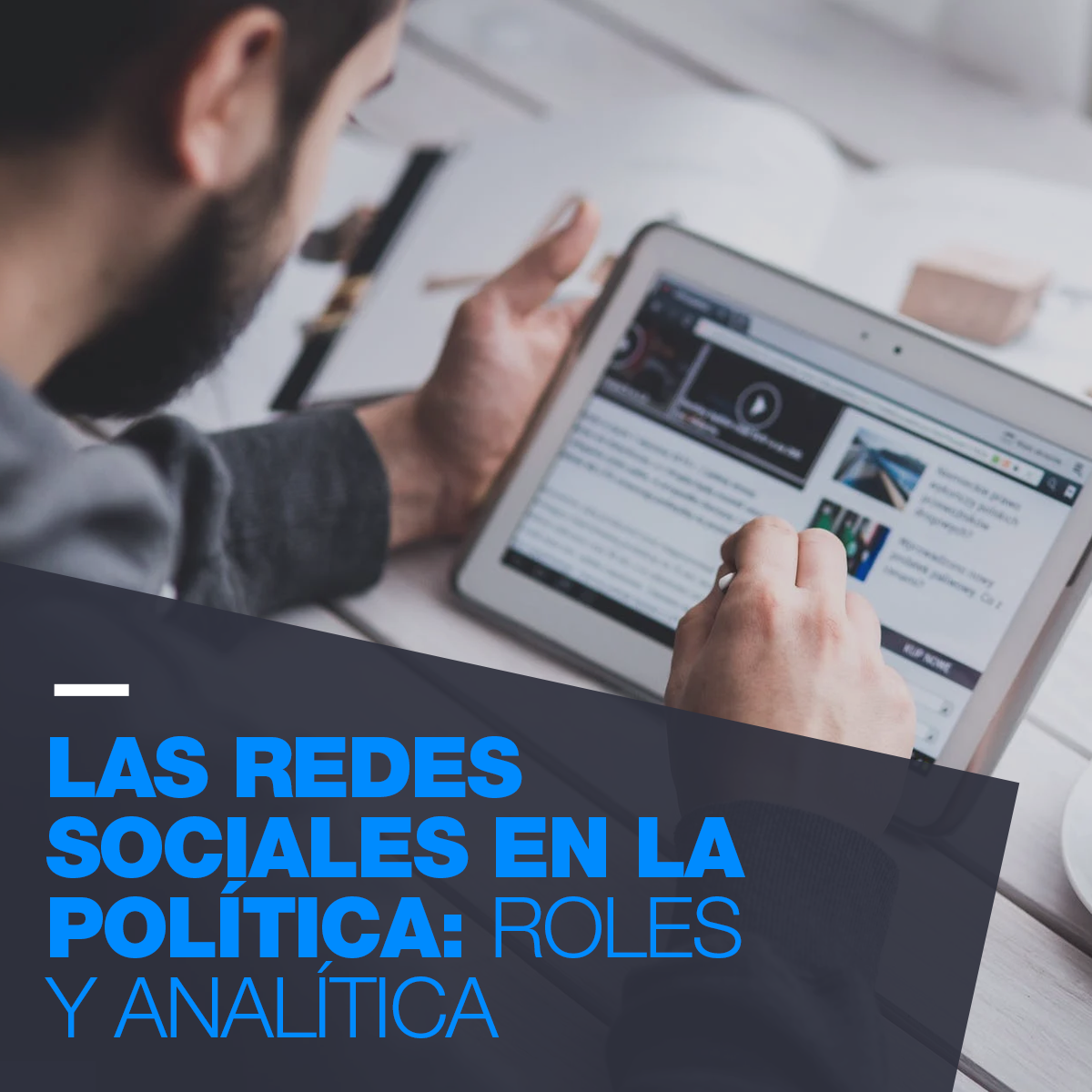
Citizens use social media to get to know candidates and politicians as their campaigns unfold.
Every democratic country holds elections to choose its authorities. Millions of citizens take part in that exercise, and running it demands an enormous amount of material, human and budgetary resources. It is vital that citizens have the information they need to take an informed decision, because the new authorities and their teams will manage the public resources allocated to them.
An efficient way for citizens to inform themselves about candidates is to use social media to learn about their activities, preferences, experience and promises. It also offers a way to learn something about the organisations and groups behind them.
Some candidates use social media to get closer to voters, letting us send them messages and see whether they are interested in our opinions and contributions. Barack Obama, the former US president, warns on the other hand that irresponsible use of social media and fake news create a climate of chaos.
Campaigns run through social media have to be created and supervised using technology platforms that make it possible to do so quickly and effectively. It is also vital that those platforms are able to take in and process large volumes of information from digital media, social networks and the various communication channels.
The idea is that these platforms allow campaigns to be designed and developed while making sure the messages reaching citizens are fully understood and easily repeated. Their capability will let candidates know what voters think of their various offers and let them correct their proposals and then measure the impact.
For all of the above, it matters that you choose carefully the solution and the company you hand the responsibility of collecting, processing and visualising your campaign data to, so that accurate measurement of the campaign process is possible and the necessary corrections can be built into it for a more effective result.