
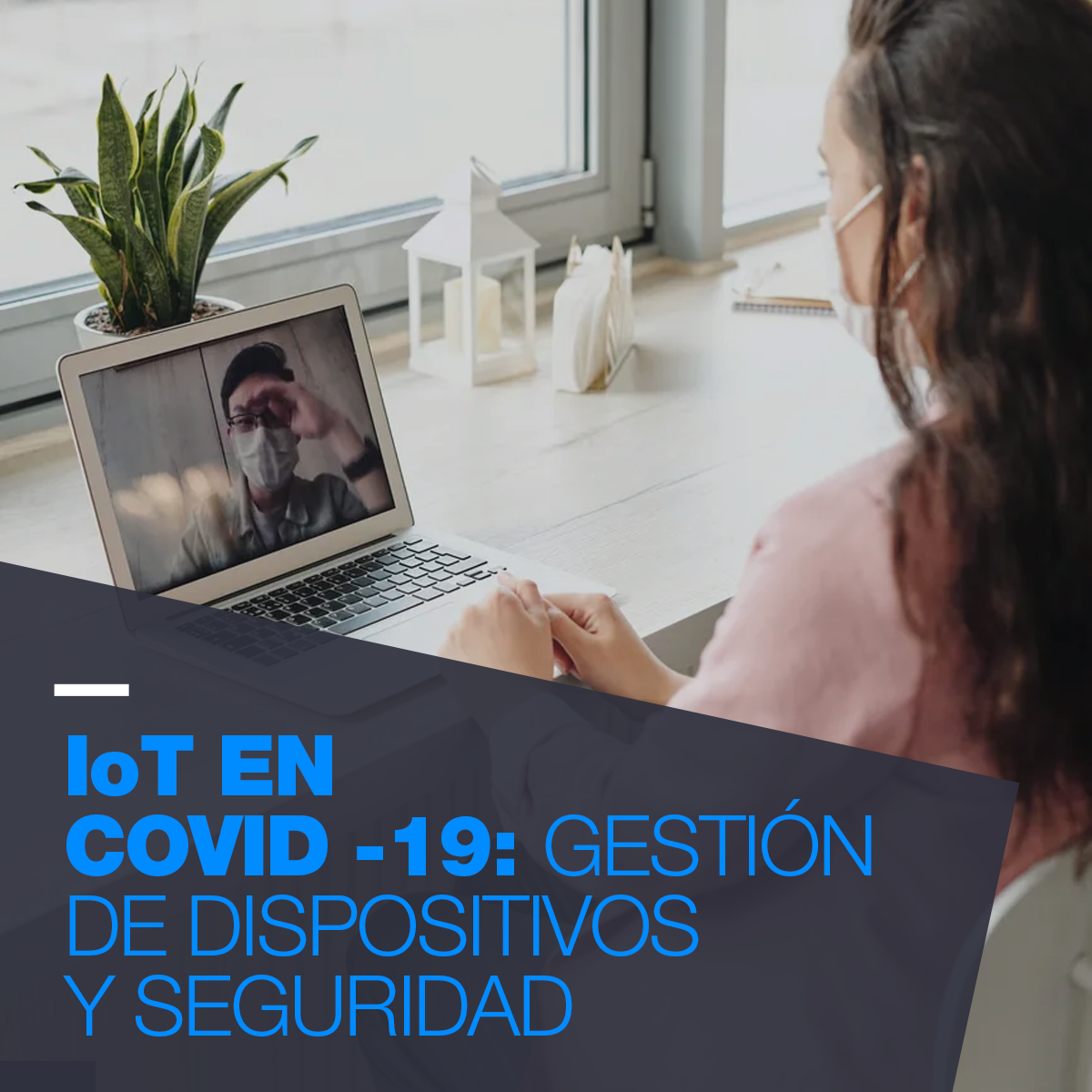
Telemedicine has never been so useful. The COVID-19 pandemic has a large part of the population in quarantine and carrying a significant sense of uncertainty. It has become clear that remote work, delivery and telemedicine — related to COVID and its treatment — are vital capabilities for reducing people's stress.
As the effort to carry out more diagnoses and consultations at a distance grows, we have to make sure the devices, along with their security protocols and the data they use, are implemented and refined.
On that basis, there are things to take into consideration:
Clinical validation: does the device measure what it says it measures, and is that relevant to the target population?
Security: is the product designed securely? Is there a list of what was used to build the software? What is the disclosure policy?
Data rights and governance: who has access to the data the device collects, and when? Can users find a privacy policy that is easy to understand?
Usefulness and usability: how is the tool used? What is the battery life? Is there technical support?
Economic viability: what is the net benefit against the cost of the device? Is it a one-off fee or the cost of a subscription?
One of the central ideas underlying the inclusion of security and data privacy elements is that every connected device can experience security failures, but those failures must not cause harm. Another is that when it comes to devices that can directly affect a patient's wellbeing, the bar has to be raised on the standards for testing their security and vulnerability. In the same way, thought has to be given to which data is shared, in case that data is compromised.
Today there is a challenge in connecting measurement devices to existing hospital software, and then bringing data from patients' medical records into the flow of the consultation. Most medical practices and hospitals are still stuck integrating data by hand, or at the mercy of their main medical-records software provider. Any effort aimed at letting patient data flow smoothly would help increase the usability of connected sensor data, but that ease of use also opens up risks around security and data loss. That is why it is important to answer the questions raised in this article properly.
There is plenty to debate around these concepts. Setting that aside, it is vital to put them in front of consumers, doctors and policymakers as we embark on a new era of healthcare delivery.